
From Climate Anxiety to Space Law, Meet HEC’s New PhD Cohort
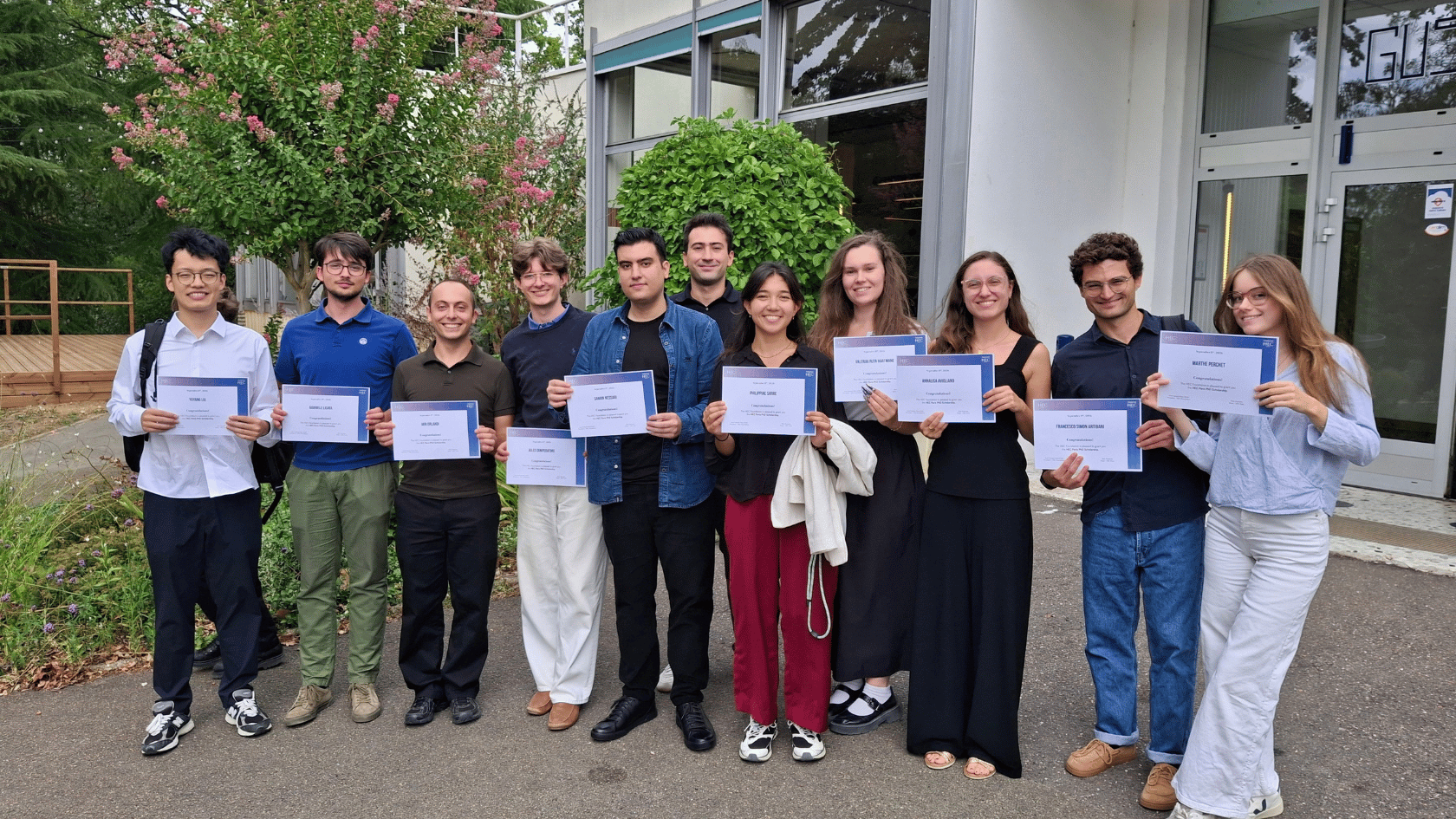
HEC’s incoming class of 14 doctoral students arrives with research interests ranging from climate anxiety and lower-emission cars to dynamic pricing, academic careers and the law governing private activity in space. Their arrival coincides with a recent study of leading US economics programs which finds academic placements falling and tech hiring rising.
What kind of job market will this new class eventually enter? In the US, an academic job has become less common among graduates of business school PhD programs. A study published in August 2026 covering all doctoral graduates of the top 30 US programs from the late 1990s to the early 2020s shows that the share taking jobs at universities peaked at around two-thirds in 2009 and fell to 52% in 2021. Over a shorter period, tech’s share of placements rose from 1.3% in 2010 to 12% by the early 2020s.
HEC’s public placement page shows a more strongly academic pattern in its recent placements, however. Of the 20 placements listed across departments for 2023-24 through 2025-26, 17 are assistant professor or postdoctoral positions. Two are private-sector roles and one is a research economist post at the Bank of England. These figures show a useful signpost for a new class entering an international academic market while carrying skills valued well beyond it.
The topics are as varied as the students’ backgrounds, but the September 8 reception speeches kept returning to the same research principle: choosing a question, testing it honestly and learning from criticism. The physicist Richard Feynman put the standard bluntly back in his 1974 Caltech commencement address: “The first principle is that you must not fool yourself.” Eloic Peyrache translated that principle into advice for the years ahead: “You must begin to welcome feedback, even if it can seem harsh at times and it hurts. Separate your ego from your work. It’s all part of the learning process.”
The recent US economics placement study adds a job-market dimension to that advice. Candidates whose advisers had stronger academic networks were more likely to secure positions at top institutions, even after the authors accounted for adviser prestige. The association does not mean that networks substitute for research quality. The finding nevertheless shows why seminars, research visits and sustained contact with faculty and peers matter to an academic career and to the research itself.
Feynman’s address on scientific integrity also helps explain why criticism matters. Doctoral research can look solitary from the outside, but it depends on seminars, co-authors, supervisors and peers willing to challenge a result. “Don’t do your PhDs alone,” Peyrache told the cohort. “Connect with each other and those in the years above you because, let’s face it, it can be a lonely journey, too.”
Andrea Masini summed up his advice in two tasks: strategize, then ask the right questions. Faculty will guide the first years, he said, but independence is part of the degree. “Those final years, well, you’re on your own. There will be tough moments. But our doors are always open.” For 14 students arriving with strong methods, experience and a long list of interests, the next step is to decide which questions can withstand that process.