

 Geopolitics & Public Affairs
 Sustainability & Society

- Strategic alliances boost profitability by up to 50% during disruptions.
- Tariffs increase costs; quotas stop shipments — alliances help with both.
- Firms with strong alliances can honor customer commitments despite pressure.
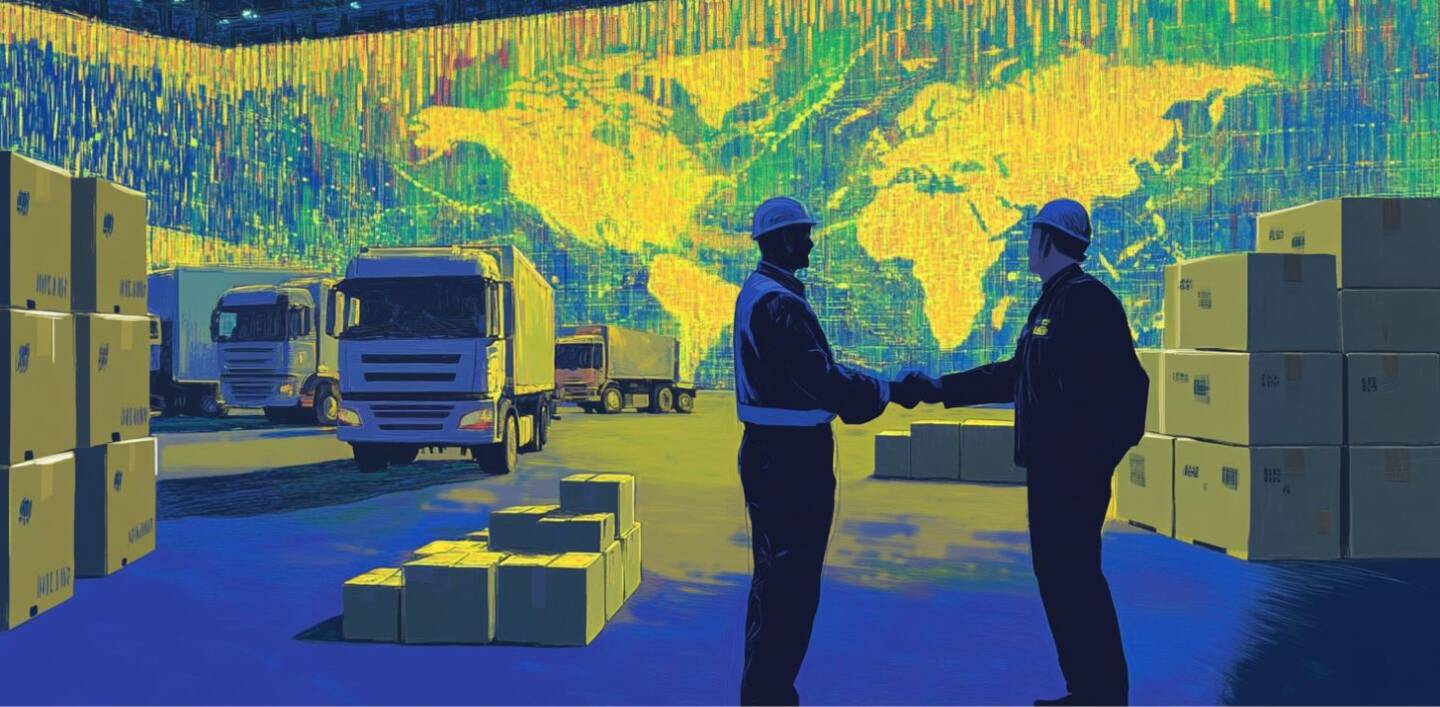
Today’s global supply chains are optimized for cost - but not for survival. When geopolitics intervenes, lean networks collapse fast. Alongside my co-authors, I’ve modeled how strategic alliances offer a powerful alternative: a small number of trusted partners across key regions can act like protected corridors, shielding firms from shock, maintaining flows and preserving trust.
How Geopolitics Exposes the Fragility of Supply Chains
Your batteries come from Asia, rare minerals from Africa, and software from Europe.
Overnight, a government slaps a huge tariff on your imports. Or worse, it introduces a quota that limits how much of a key component you can bring into the country. Suddenly, production lines are idle, costs are soaring, and customers are furious.
This isn’t hypothetical. Earlier this year, thousands of Volkswagen cars were impounded at U.S. ports. Months later, the U.S. doubled tariffs on Chinese electric vehicles (EV) and chips. And this fall, the Democratic Republic of Congo - the world’s largest cobalt supplier - introduced strict export quotas, forcing EV producers to cut or delay production.
Overnight, the US government slapped a huge tariff on yourVW’s imports, costing the auto giant around $1.5 billion in the first six months of 2025, . It also introduced Or worse, it introduces a quota that limitslimiting how much of a key component youit could can bring into the country. Suddenly, pProduction lines arewent idle, costs are soareding, and customers turned on the companyare furious.
These shocks are becoming more frequent. Businesses can no longer treat geopolitical risk as something happening “out there.” It is now a core operational challenge.
Our research tackles a simple but urgent question: How can firms design supply chains that survive and even thrive amid this turbulence? The answer lies in one powerful idea: strategic alliances.
Why Alliances Matter
A strategic alliance is a stable, trusted relationship that keeps trade routes open when everything else is in flux. It can be a formal trade agreement like the EU single market or USMCA, or a long-term partnership with a supplier who prioritizes you in times of crisis.
In calm times, alliances may seem invisible. But when a shock hits, they act like protected lanes on a blocked highway, keeping goods moving while competitors stall. Our modeling shows that even one strong alliance can boost a firm’s worst-case profitability by about 50% during political turmoil.
The key insight: resilience doesn’t require dozens of alliances. A few carefully chosen “anchor” alliances in strategic locations can keep part of the network running and the business afloat when disruptions strike.
How Tariffs, Quotas, and Commitments Raise the Stakes
Not all disruptions are alike. Tariffs raise costs but don’t stop shipments - firms can reroute goods or absorb the expense, as seen when U.S. tariffs on Chinese EVs and chips forced companies to adapt at higher costs. Quotas, by contrast, impose hard limits: once the cap is reached, no amount of money can move additional goods, as with the DRC’s cobalt quota that left EV makers stranded.
Alliances help in both cases, but in different ways. With tariffs, they reduce costs and offer flexibility; with quotas, they secure access to scarce goods when others are locked out.
The stakes rise further when companies have customer commitments, pledging to meet a fixed share of demand. These promises build trust but magnify the damage when disruptions hit. In our simulations, firms with strong alliances could maintain flows and keep their promises even under extreme shocks, while those without alliances see profits collapse.
A New Way to Design Supply Chains
The findings form a clear picture. Efficiency has made modern supply chains brittle. Tariffs steadily erode profits, while quotas can halt operations entirely. Customer commitments raise the stakes further, turning operational failures into reputational crises.
Through it all, alliances emerge as the stabilizer.
The old model - optimize for cost and react to crises - no longer works. Geopolitical disruptions are now too frequent and severe. The goal is no longer just efficiency, but assured access: the confidence that your supply chain will keep moving when others grind to a halt. When disruptions strike, strategic alliances act like shock absorbers, keeping goods flowing and promises intact. And when competitors are stuck in gridlock, those with alliances will still be moving forward.
In today’s world of tariffs, quotas, and rising commitments, alliances are no longer optional - they are the foundation of supply chain survival.
Sources
Based on the paper “Geopolitical Disruptions in Global Supply Chains: The Role of Strategic Alliances.” published in December 2025 in Transportation Research Part E: Logistics and Transportation Review.



 Economics & Finance

 Strategy & Leadership