Scaling Deep Tech Through the CDL Model
From Lab to Market: Scaling Deep Tech Through the CDL ModelDeep tech innovation doesn’t fail for lack of breakthroughs—it fails in the leap from lab to market. While world-class discoveries emerge daily from research labs, turning them into scalable ventures that attract capital and deliver real-world impact remains one of entrepreneurship’s toughest challenges. At the heart of this transformation lies a model that few accelerators or investment firms can replicate: the Creative Destruction Lab (CDL).
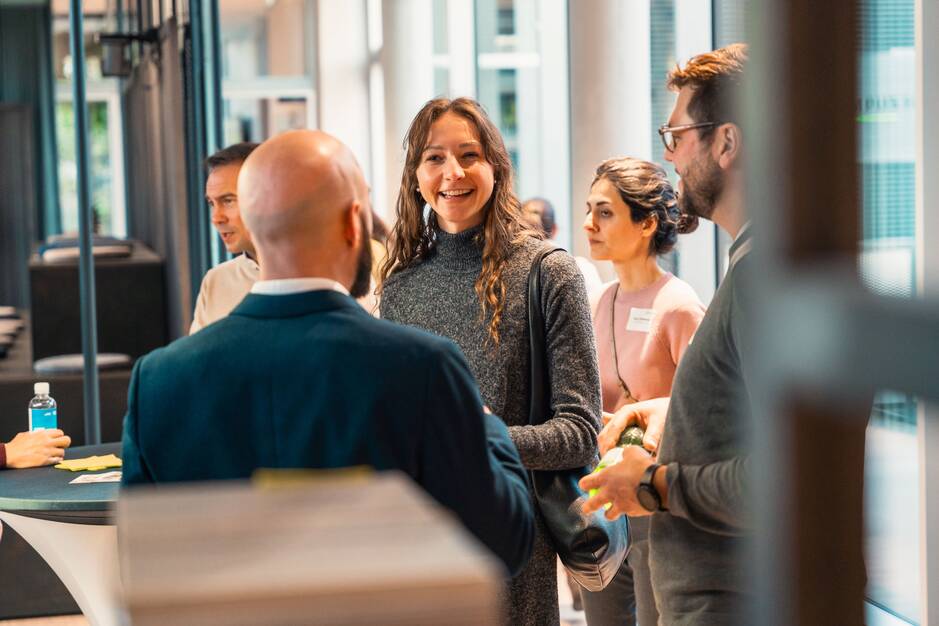
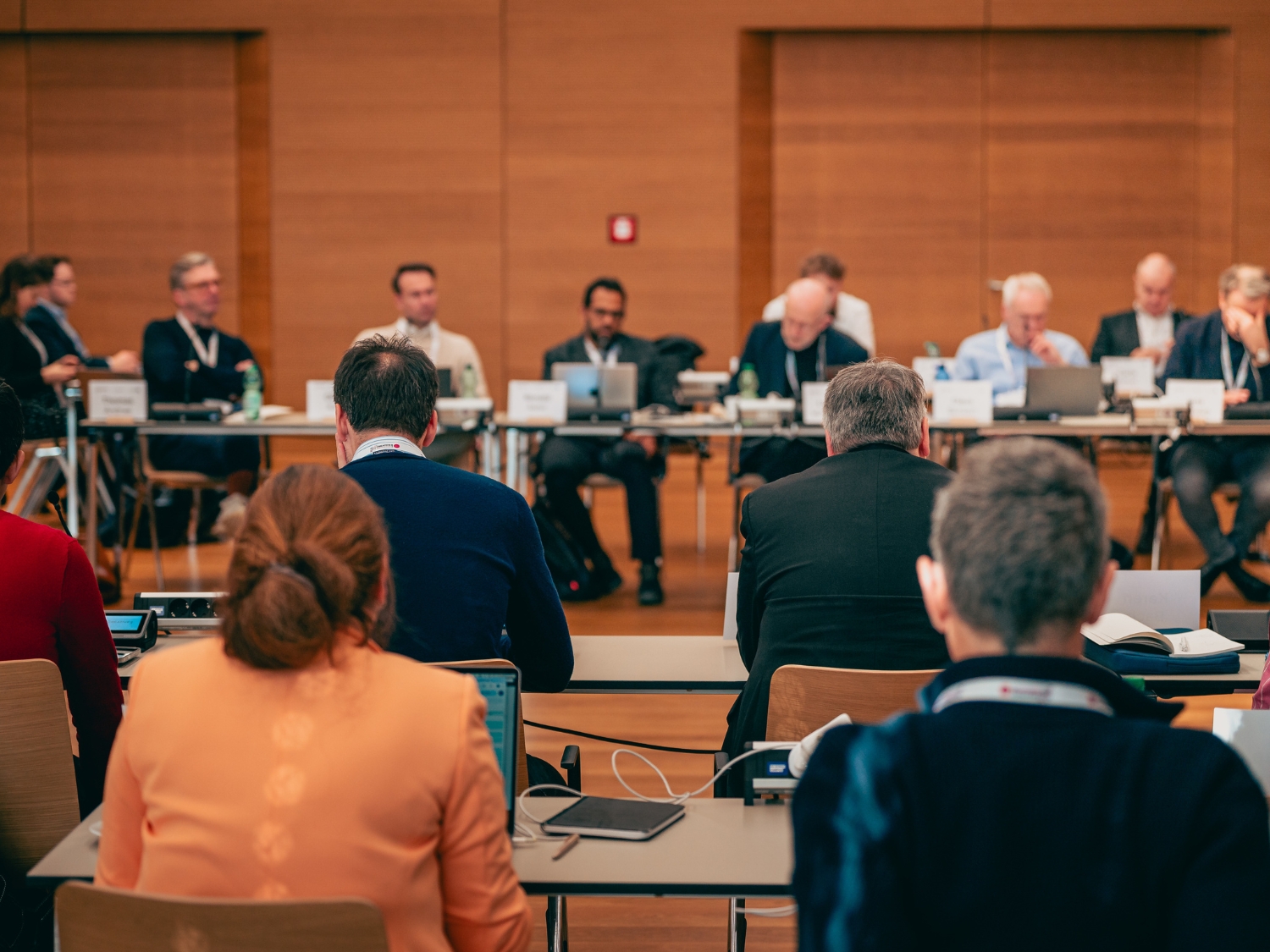
Last February, Heilbronn, Germany, hosted a key moment in this journey during the Next Generation Computing session—one of several specialized streams offered by CDL, a global program supporting seed-stage, science-based startups. Operated jointly by CDL-Berlin and CDL-Paris, this session brought together mentors, founders, and ecosystem leaders, offering a behind-the-scenes look at the CDL process—and why it has become a cornerstone for bridging science with entrepreneurship.
From Scientific Breakthroughs to Business Models
The program is unique in that it starts with the science. Many of its participating ventures are not yet companies in the traditional sense—they’re still emerging from research labs, often without a clear product, customer, or revenue stream.
“Many ventures enter CDL as science projects. By the end, they start becoming real companies—with clearer purpose, market direction, and business models.”
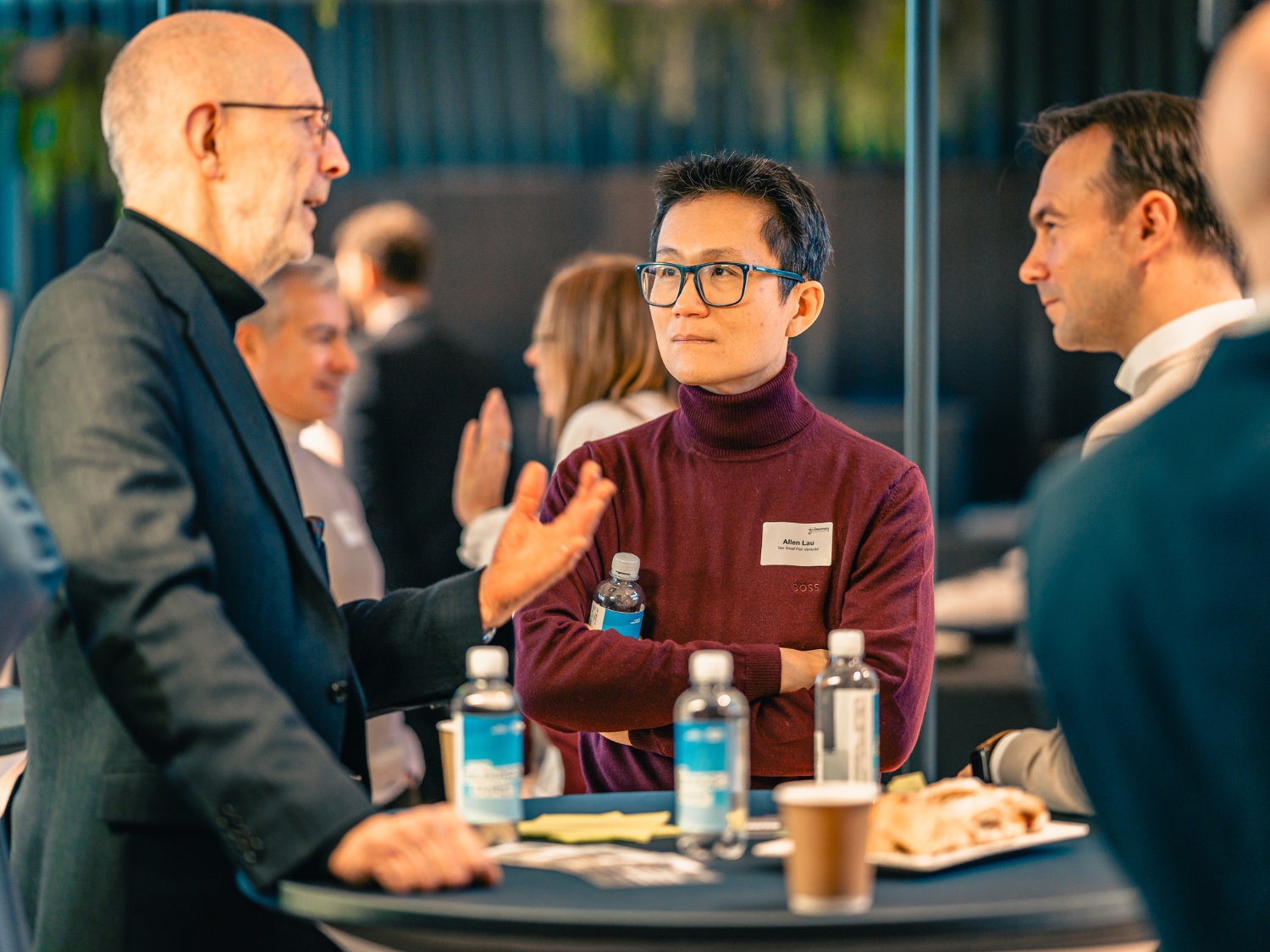
– Alan Lau, CDL mentor and Co-founder of Two Small Fish Ventures.
Where traditional accelerators often prioritize traction and speed, CDL focuses on something deeper: scientific validation, market-fit alignment, and long-term scalability—especially for ventures in this stream, working on quantum computing, photonics, AI infrastructure, and space tech.
Mentors vs. Investors: Two Distinct Roles
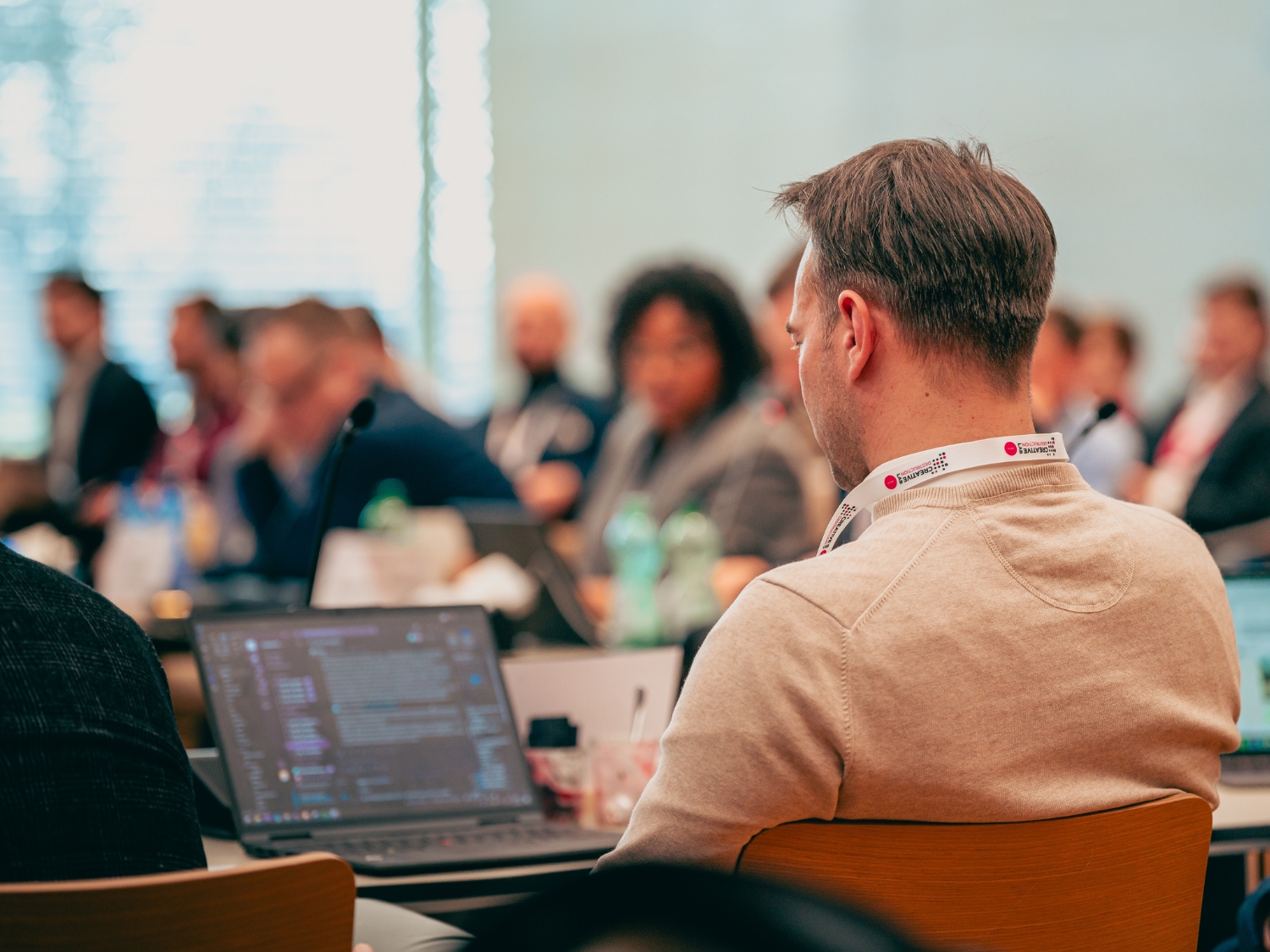
One of CDL’s most defining features is its mentor-driven model. Unlike many early-stage programs that revolve around funding, CDL is built on collective mentorship and disciplined, objectives-based decision-making. Its mentor community is composed of scientists, economists, associate experts, fellows, alumni, and seasoned serial entrepreneurs.
In traditional startup ecosystems, entrepreneurs often come from business backgrounds, identifying a market opportunity first and then building the technology to address it. But deep tech ventures operate in reverse. In this domain, founders typically begin with a scientific breakthrough or technological innovation—and then face the complex challenge of identifying the most impactful application, defining the right market, and shaping the go-to-market strategy to match the innovation’s potential.
“CDL is not a venture capital fund—it’s a mentorship marketplace. What happens in the room is about alignment, not funding. Investors may bow out, but mentors step up,”
Darrell Kopke, Executive Director of CDL-Vancouver and moderator in the recent Next Gen Computing session, highlighted that this distinction matters—especially in deep tech, where venture capital alone isn’t enough. What early-stage founders need most isn’t just capital, it’s:
- “Guidance on regulatory pathways”
- “Validation from seasoned technical experts”
- “Help refining their go-to-market strategy”
- “Honest feedback on what won’t work”
And they get all of that at Creative Destruction Lab—through structured, quarterly sessions that combine brutal honesty with collaborative problem-solving.
Global Model Approach: A Network That Scales
Founded at the Rotman School of Management in Toronto, CDL has now grown into a global deep tech ecosystem with over a dozen sites across North America and Europe, each specializing in different streams—from Space and Climate to AI and Next Generation Computing.
For Oliver Kahl, Principal at MIG and Associate Fellow, what makes CDL stand out globally is its disciplined methodology:
- Every venture must define clear 8-week objectives after each session
- Mentors vote on whether a venture should continue
- The process is repeated across four sessions, gradually narrowing the cohort
“CDL’s structure pushes you to make decisions, test assumptions, and focus. There’s no fluff—it’s science meets strategy, with urgency.”
The Next Generation Computing stream itself reflects this international scale, jointly run by CDL-Berlin (from ESMT’s trough it’s Institute for Deep Tech Innovation) and CDL-Paris (HEC Paris’s Deep Tech Center from HEC Paris Innovation & Entrepreneurship Institute), with support from the Dieter Schwarz Foundation and affiliate partner institutions like TUM Campus Heilbronn and Campus Founders.
Bridging the Lab-to-Market Gap
For deep tech to succeed in Europe, it’s not enough to publish world-class research—we have to commercialize it. And that’s what CDL does best: helping brilliant researchers become bold entrepreneurs.
“Some of the most brilliant minds are in our labs—but we fail to commercialize their ideas at scale.”
— Ekaterina Almasque, CDL mentor and General Partner at OpenOcean
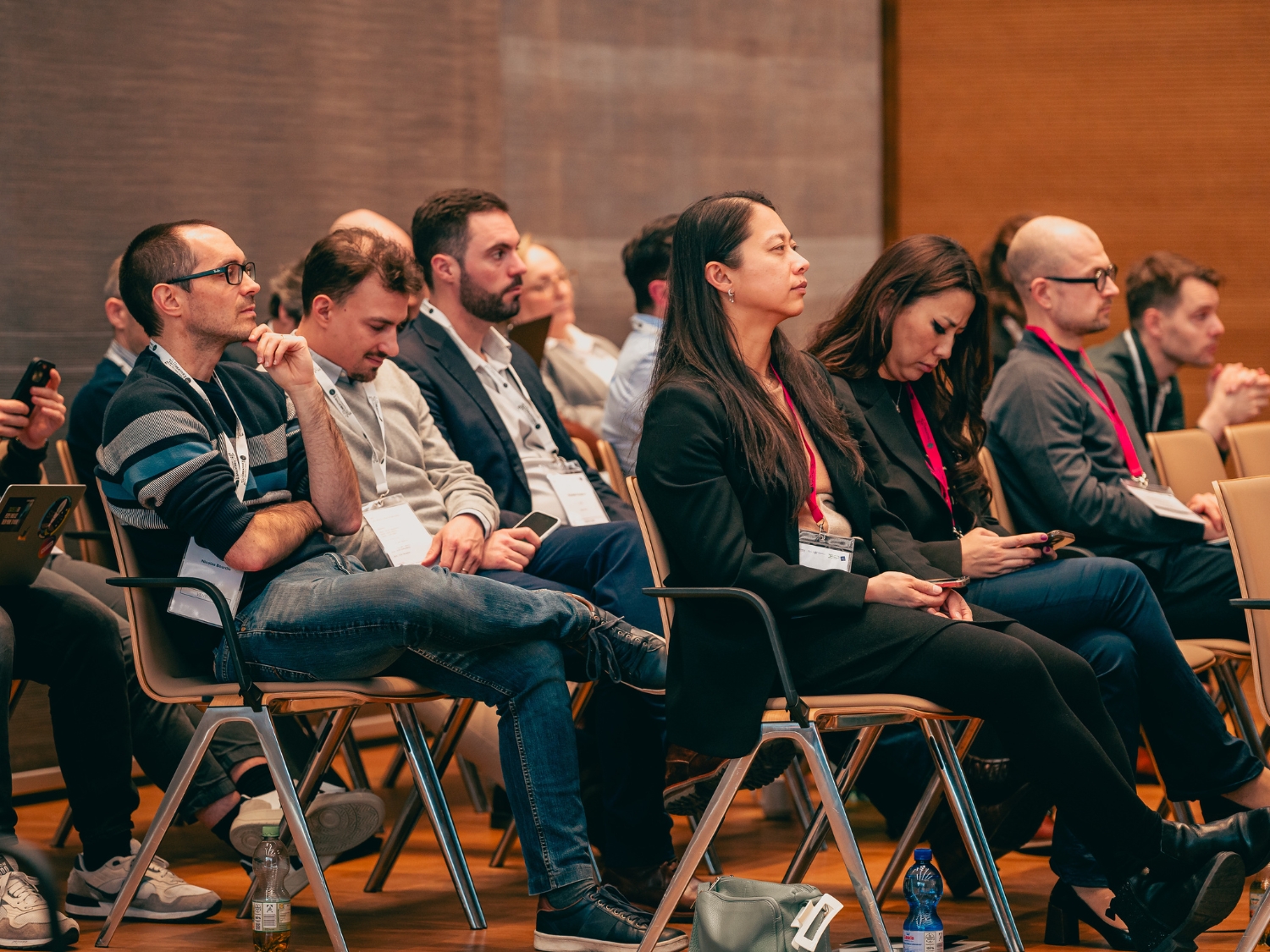
By creating structured environments where scientific founders are challenged, supported, and connected, CDL is turning today’s academic breakthroughs into tomorrow’s unicorns.
Building Something Massive
As the Next Generation Computing stream approaches its final session in Marseille in April 2025, the ventures still standing have faced rigorous evaluation—and demonstrated exceptional promise. What unites them is not just their cutting-edge technology, but their unwavering conviction.
In a world where computing power shapes everything from national security to climate resilience, building the infrastructure of tomorrow demands more than code or capital—it calls for vision, mentorship, and a global network of support.
That’s the CDL model: a unique, mentor-driven approach that turns scientific breakthroughs into world-changing ventures. Its motto says it all—Build Something Massive.
From April 23 to 25, the South of France will host CDL’s grand finale. Where four streams—Next Gen Computing, AI, Climate, and Space—converge to celebrate bold thinking, radical science, and venture creation at the edge of what’s possible.
The event will take place at TANGRAM, CMA CGM Group’s new center of excellence. More than just a venue, TANGRAM reflects the Group’s bold commitment to addressing today’s most urgent environmental, societal, and geopolitical challenges. It brings together a diverse and powerful ecosystem: CMA CGM teams, startups, partners, clients, large corporations, universities, research centers—and even competitors. All united by a shared mission: to build what’s next.