
 Sustainability & Society

How do you react when you find yourself face-to-face with homelessness — with despair, dirt, and extreme deprivation? How do you overcome the sense of helplessness that overwhelms you when confronted with situations so far removed from your daily life, shaped by unfamiliar codes and mutual preconceptions?
Sometimes, it begins with something simple: a look, a gesture. With patience and empathy, making yourself useful is within anyone’s reach — provided you choose to truly see.
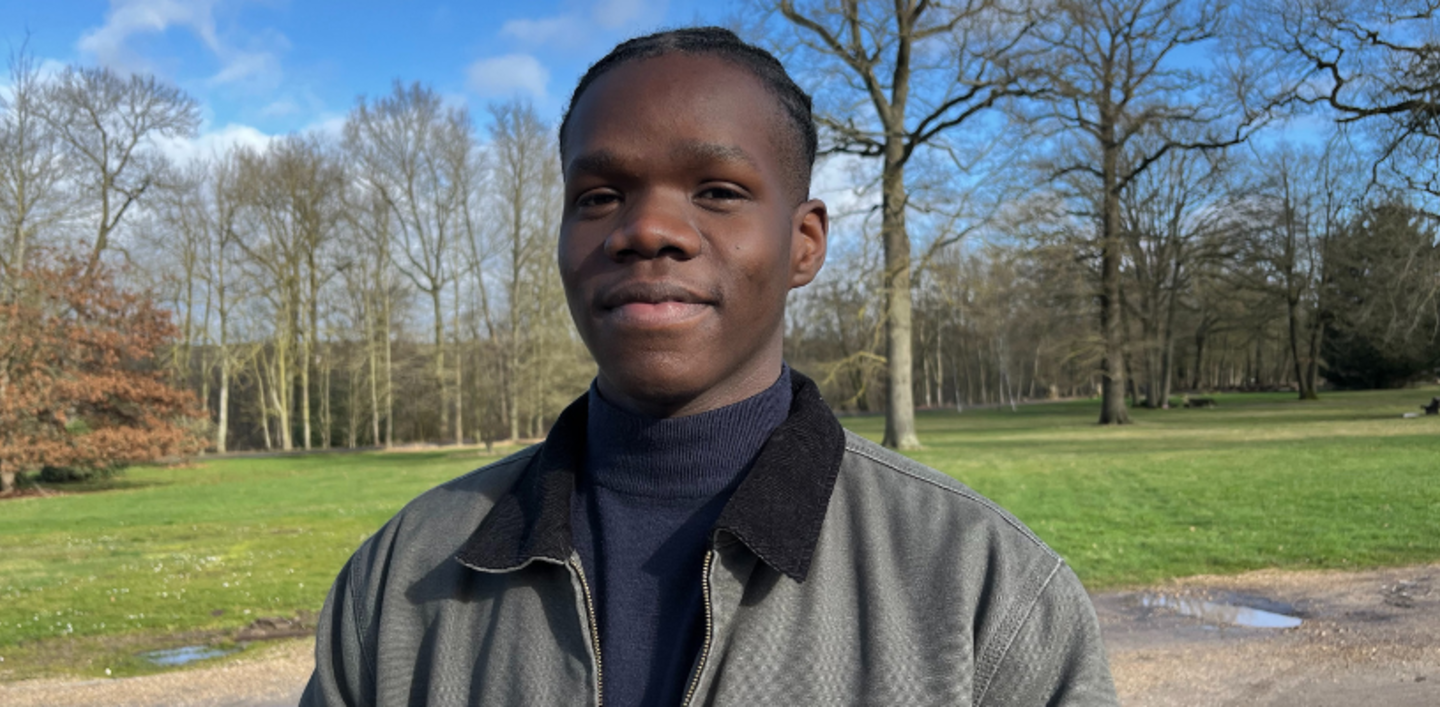
Through the story of their internship with the RATP’s Social Outreach Teams, Pierre and Syndou, two students in the Grande École – Master in Management program, share a powerful lesson in humanity.
They completed this three-week internship in 2025 as part of the Grande École’s Engagement track, designed to encourage students to reflect on their responsibility in society — and tomorrow, within the companies they will join.
During nightly outreach patrols among homeless individuals seeking refuge in the corridors of the Paris metro — spaces crossed daily by millions of hurried commuters — Pierre and Syndou encountered stories of rupture, isolation, and survival. The reality was shocking, yet deeply instructive.
And what if, tomorrow, it were us?
Syndou: “First day on outreach, first mission. I found myself speaking to a ‘user’ — that’s what the team calls them — for the first time. I didn’t know what to say, how to help, how to ask the right questions. I was afraid of getting it wrong, of saying something hurtful. What struck me most was how sensitive people can be. A misplaced word can feel like an offense. But that reaction is understandable. Many of them once had stable lives, fulfilling experiences, and promising futures.”
Beyond Labels and Stereotypes
Pierre: “My integration with the outreach agents went extremely well. Despite a few understandable preconceptions about the ‘HEC student on an observation internship,’ I quickly moved beyond that label and built strong relationships with both the mixed and morning teams.
What surprised me most was the permanence of their commitment. The outreach service operates 365 days a year — including Christmas and New Year’s — and 24 hours a day. At any given time, a team is out in the field, patrolling to offer comfort and support to homeless individuals.”
Witnessing Extreme Precarity: Between Shock and Helplessness
Syndou: “I think about another deeply moving story — that of an extraordinary woman who sleeps at Gare de Lyon. As a woman, she is often the target of attempted assaults in the metro. To protect herself, she urinates on herself to repel men through the smell. That story shook me profoundly. Here is a vulnerable person forced to live amid dirt and unsanitary conditions as a defense mechanism in a hostile environment. It reflects a certain state of human existence that I won’t name. But above all, it reminds us of our collective responsibility to help — especially the most vulnerable. How can a society that claims to be civilized tolerate some of its members being abandoned to near-primitive conditions?”
Pierre: “One of the most difficult moments for me was when we assisted a man in his sixties at Colonel Fabien metro station. He was exhausted, visibly dehydrated, and above all, without hope. We managed to convince him to come with us to La Maison dans le Jardin in Saint-Mandé, where he could wash his clothes and take a shower.
I was deeply moved. As I encouraged him to hold on to hope and told him we would return the next day to connect him with a social worker, he paused and said: ‘The shower will be enough. I no longer have the strength to keep going. It would require too much effort. I just want to wait for the end.’
Despite all the outreach team’s efforts, some situations are so complex that meaningful change can feel nearly impossible.”
Restoring Dignity, Rebuilding Hope
Pierre: “During my first week, José, one of the outreach agents, told me about an emergency situation at Gare de Lyon. A man named Dominique, in his sixties, had been living on the streets for five years. He sat on the platform every day and no longer even stood up to relieve himself.
After several attempts, we decided to approach him again one Thursday. After minutes of conversation, we convinced him to come with us to the Halte aux Soins (medical respite center). José and I helped him wash, and only then did we fully grasp the severity of his wounds.
After a shower and a hot meal, we took him to Saint-Antoine Hospital and asked that he be treated with the utmost attention. The next day, however, we found him back at Gare de Lyon. The emergency department had given him only painkillers and bandages.
The following week, the outreach director advised us to take him to Saint-Louis Hospital and request a specific doctor known for his long-standing commitment to nonprofit medical work. This time, we stayed with Dominique throughout the intake process. We had to negotiate with nurses and reception staff to ensure he could see the doctor and explain his situation in full. The doctor was moved by his story, examined him, and recognized the urgency. Dominique remained hospitalized for two weeks to treat his incontinence and skin conditions.
I saw him again on July 7 at La Maison dans le Jardin. He is now placed weekly in emergency housing while awaiting a more permanent solution.
Meeting Dominique opened my eyes. Some cases may initially appear hopeless, yet with persistence, they can lead to lasting reintegration. People regain their dignity, their documents, their rights — and sometimes reconnect with their former lives.”
Syndou: “Very often, when we approached someone to help them regain a bit of dignity, they refused. Not because they didn’t want help — but because of shame. Accepting help means admitting vulnerability. And almost none of them want to admit that. It moved me deeply, and I always tried to understand the reason behind the refusal.”
Listening, Empathy, and Patience
Pierre: “To carry out this mission effectively, two qualities were essential.
The first is empathy. Many of the people we met had spent years on the streets. Their clothes were dirty, their skin bore the marks of hardship, and their hygiene was often severely deteriorated. Empathy means placing yourself in their position, refusing to judge, and choosing to help. The outreach teams are often the first step toward social reintegration. A kind, understanding look can determine the success of an intervention.
The second essential quality is patience. One man had been living on the streets for 42 years. For 42 years he had refused help, disrupted metro traffic, simulated fainting spells, provoked fights, or spat at passengers. Yet the teams continued their daily outreach. They brought him coffee, offered day shelter, proposed hospital visits. Sometimes he would agree to board the bus — only to lie down upon arrival and refuse to take the final steps into the facility. Despite repeated frustration, the teams remained respectful and unwaveringly patient.”
Syndou: “The key skill was listening. These are people who often have no one to talk to. Simply showing up and listening made them genuinely happy. Communication is crucial — you must avoid destabilizing them. Many are in denial about their homelessness. A single misplaced word can sound condescending. Convincing them to come with us requires care.
This experience made me understand that people sleep outside, in the cold, on the bare ground. Many have nothing to eat and are exposed to violence. But it also forces us to confront a harsher reality: our capitalist society often treats some people as if they no longer serve a purpose. Helping them requires courage — and the willingness to face discomfort. Within the outreach teams, there is an overwhelming desire to help others.”
Meeting Others to Restore Human Dignity
Pierre: “My main lesson from this experience is that small gestures can make a profound difference. A coffee, a conversation, a moment of listening — these are the first steps toward reintegration, and they cost almost nothing. It taught me to pay closer attention to those who are invisible — and to offer a smile when our eyes meet.”
Trust Must Be Earned
Pierre and Syndou’s experience ultimately reminds us that no one is immune to social rupture. Restoring trust and strengthening social cohesion are neither acts of charity nor exceptional gestures — they are collective responsibilities.
A responsibility that calls on each of us — citizens, decision-makers, and businesses alike — not to look away, and to make social connection not a moral afterthought, but a shared foundation.
Translated by LLM.


 Geopolitics & Public Affairs