


Articles

 Tech & AI
 Strategy & Leadership
Giving Humans the Final Say Can Make AI Decisions Worse
When algorithms outperform experts, human oversight may protect legitimacy... but it may also simply restore the errors AI was meant to correct.

 Sustainability & Society
 Geopolitics & Public Affairs
The Energy Transition will change geopolitics—not solve it
The disruption at the Strait of Hormuz has exposed the fragility of hydrocarbon supply. Electrification can reduce that vulnerability, but it is also creating new dependencies on critical minerals, processing capacity and industrial power.

AI Data Centers Amplify Grid and Energy Price Risks
New research finds nationwide spillovers from AI data centers, alongside sharp regional price rises, higher emissions and growing grid risks.

The Winning Cultures Behind France’s Swimming Golds
The 2026 European Swimming Championships in Paris offer a timely reason to revisit a remarkable transformation studied by Thomas Paris: how a national team can change its rules, practices and underlying beliefs until high performance becomes part of

AI Automates Routine Management and Raises the Value of Leadership
Artificial intelligence is unlikely to eliminate executive roles, but it is changing the tasks that make those roles valuable. This policy paper identifies a consistent asymmetry between AI management and leadership.

 Economics & Finance
Short-Term Data Can Weaken Long-Term Financial Forecasts
A study of 65 million financial analyst observations finds that short-term alternative data sharpen near-term earnings estimates but reduce the value of longer-term projections.
 Innovation & Entrepreneurship
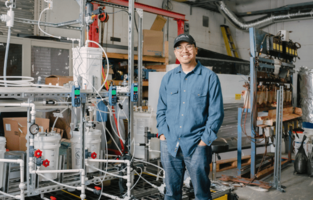
Climate Deep Tech: Solving Billion-Scale Problems Under Constraints
Cura Climate is building electrochemical technology to help cement producers cut emissions by up to 85%, without compromising on cost.
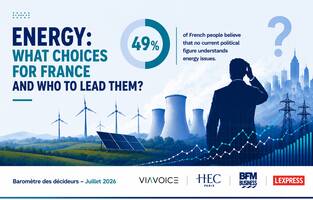
Faced with Heatwaves and the Energy Shock, the French See No Political Leader Up to the Challenge
49% of French people believe that no current political figure understands the energy challenges at stake. A worrying figure at a time of climate emergency and rising energy prices.