


Articles
 Tech & AI
 Strategy & Leadership
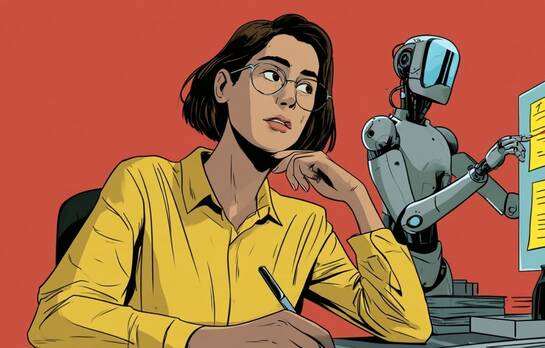
Giving Humans the Final Say Can Make AI Decisions Worse
When algorithms outperform experts, human oversight may protect legitimacy... but it may also simply restore the errors AI was meant to correct.

 Innovation & Entrepreneurship
Inside the Room: How Mentors Think, Challenge, and Decide
Behind the tough feedback, how group mentoring helps deep tech founders see their blind spots, become coachable and cut to key priorities.

Entrepreneurial Mentorship Is a Process of Updating Judgments
Using AI to analyze mentoring sessions, research from HEC Paris’ ION Management Science Lab reveals how mentors reassess startup ventures as new information and perspectives emerge.

Scaling Deep Tech Depends on Three Levels of Infrastructure
To realize their innovation potential, deep-tech ventures must manufacture the technology, integrate it into industrial systems, and rely on regulatory and financial frameworks that enable deployment.

 Sustainability & Society
The Planetary Challenge Is Now Industrial
Climate technologies, biotech and space provide answers to environmental crises, but they need to move from scientific discovery to industrial deployment that markets and institutions can trust.

 Economics & Finance
Private French Firms Hire Fewer Young Workers in AI-Exposed Jobs
Between 2022 and 2026, permanent hiring in the private sector of people aged 21 to 29 fell almost 30% in France’s most AI-exposed jobs, against 7.5% in the least exposed.

A Roadmap for Clean Tech to Drive Europe’s Net-Zero Strategy
Europe has world-class clean-tech assets, but a new research suggests their impact on the climate transition depends on connecting them through stronger innovation ecosystems.

Why High Development Doesn’t Necessarily Mean High Emissions
Across 119 countries, researchers find that very high levels of human development can coexist with radically different carbon footprints. It leaves richer economies more scope to cut emissions without sacrificing well-being.